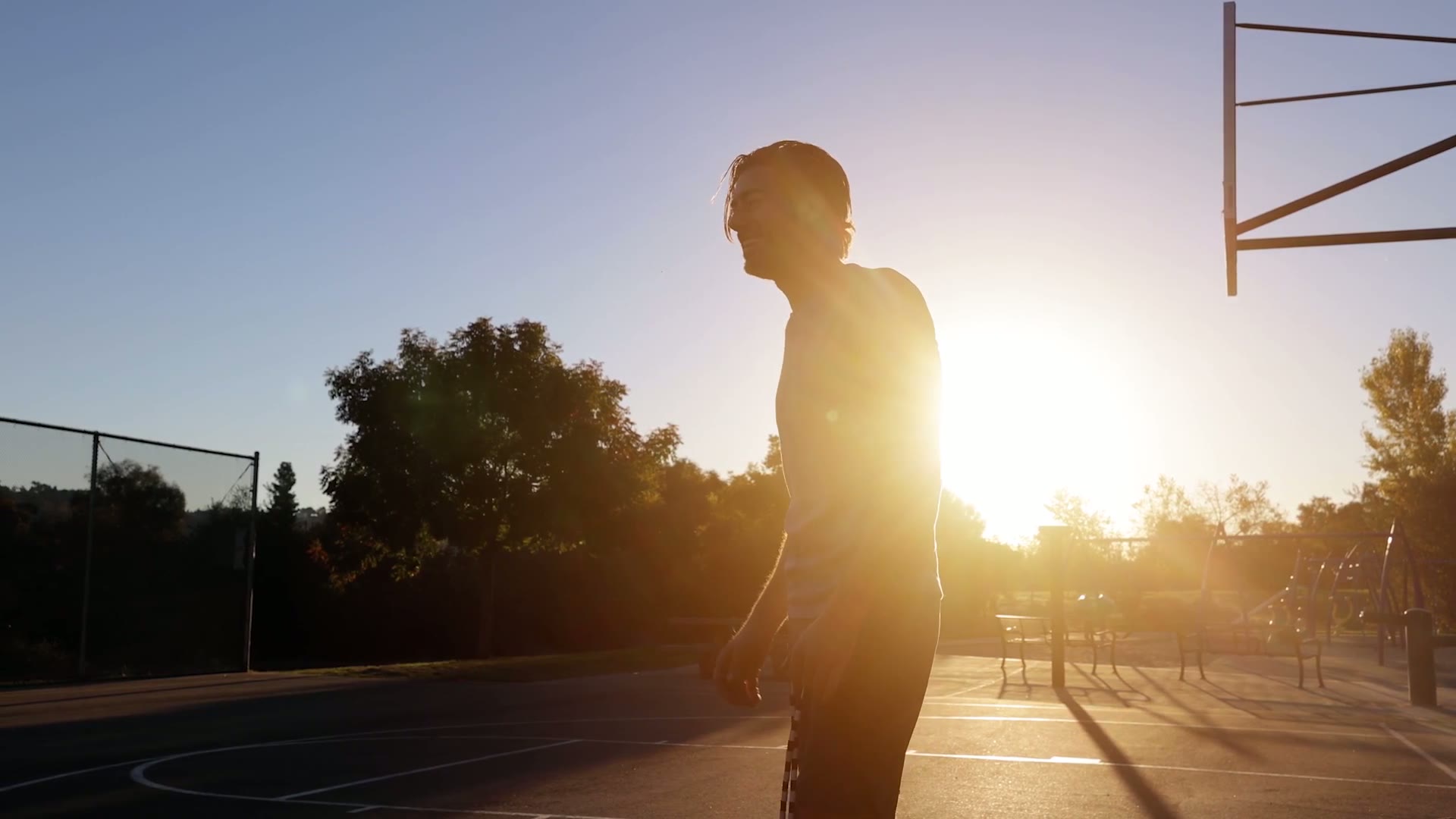
A basketball player silhouetted against the sun on an outdoor court

Mental Training

Tacit Learning

Why elite athletes make the right play before they know they've made it.

November 2, 2026 · 4 min read

A playmaker slices open a defense with a pass before consciously registering the gap. A point guard splits a double-team without stopping to analyze the defender's hip angle.

Playbooks and strategy sessions build explicit knowledge: the facts and steps you can write down. Mastery lives in tacit knowledge, the felt understanding forged through thousands of hours of real-time experience. In fast team sports, overthinking chokes plays. Tacit learning is what separates good athletes from instinctive elites.

Watch the film

See tacit learning in action

The difference

Two kinds of knowing

Explicit

Can be written down and taught directly. Slow to process under pressure.

In sportReading a formation from the playbook. Memorizing the offside rule.

Tacit

Picked up without step-by-step instruction. Felt, and processed automatically by the subconscious mind.

In sportSensing pressure from a defender you can't see. Calibrating the touch on a step-back jumper.

Where it shows up

The field and the court

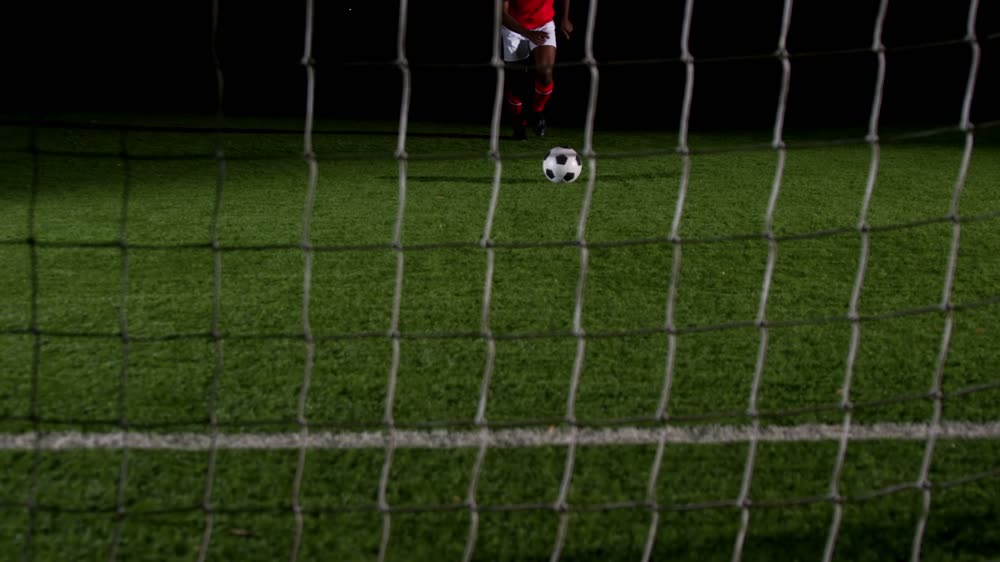
A soccer ball flying toward the goal net at night

On the field

A midfielder senses a passing lane half a second before the defender steps out of position, picking up body angle, weight transfer and eye line without thinking about any of them. Striking a moving ball under contact takes rapid adjustments in footing and ankle stiffness. Try to calculate those mid-stride and the touch goes bad.
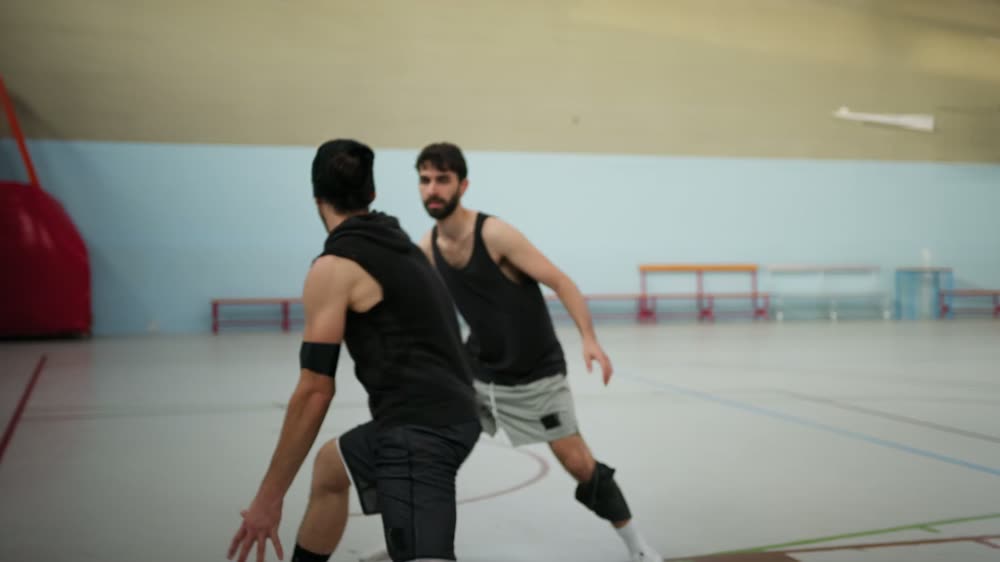
A basketball player guarding a ball-handler in a gym

On the court

Elite guards make split-second pick-and-roll reads and throw no-look passes from an internal map of the floor. They feel where teammates and defenders are moving. The release point and finger pressure on a shot over a late contest come from that same feel, with no mechanical checklist running.

How to train it

Four ways to build instinct

Tacit knowledge can't be taught through lectures. Design an environment that makes the subconscious brain organize itself.

1

Change the game, not the instructions

This is the Constraints-Led Approach. Adjust the space, touch limits or numbers, and athletes discover the solution through trial and error.

Try: 3-on-2 with a 2-second pass clock.

2

Point attention outward

"Bend your knee to 90 degrees" forces conscious control and disrupts fluid movement. Give a target and the body calibrates itself.

Try: "Aim for the side netting." "Reach into the basket."

3

Play small-sided games

Cone weaving and unguarded shooting don't build game intuition. Small-sided games make the brain process changing conditions on every possession.

4

Lower the fear

Micromanagement and fear of failure trigger conscious processing, and that's where choking starts. Room to experiment lets athletes drop into flow, where pattern recognition thrives.

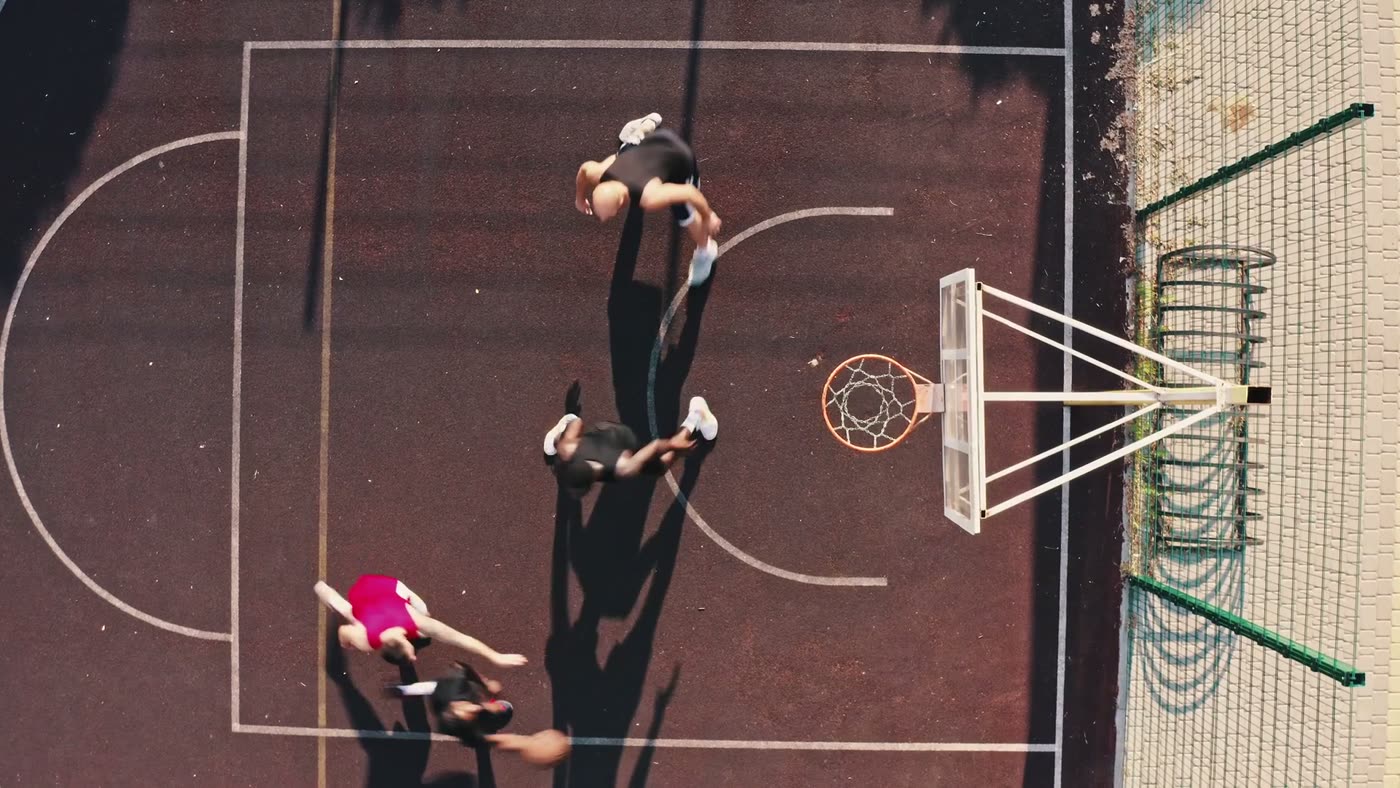
Overhead view of players on an outdoor basketball court

Take it to practice

The 60-minute session

A basketball practice for decision-making and spatial flow.

The one coaching rule: no step-by-step mechanical instruction. Keep feedback on environmental cues and outcome targets.

0 to 10 MIN

Sensory priming

1v1 Mirror Tag

Half-court. Offense keeps moving with eyes locked on a marker on the baseline. Defense mirrors without contact.

BuildsReading depth and weight shifts with peripheral vision.

10 to 30 MIN

Small-sided games

3v2 into 3v3 Quick-Strike

6-second shot clock1 dribble per touch

On the first pass, a third defender sprints back from the baseline.

BuildsReading over-rotations and passing into space before the window closes.

30 to 50 MIN

Pick-and-roll solutions

2v2 Coverage Roulette

Silent signal: Drop, Blitz or SwitchPass or attack within 2 dribbles

Cue: "Find the open pocket of hardwood before the wing defender closes it."

BuildsSensing the screen defender's hips and weight automatically.

50 to 60 MIN

Game-speed pressure

Full-court 4v4 Bonus Lines

Paint shot within 3 seconds of half-court = 3 pointsThrow-ins within 2 seconds

BuildsTransition speed, instinctive spacing and confidence under fatigue.

Tacit learning can't be handed to an athlete on a clipboard.

Cut the lectures, design the constraints, and you unlock instincts that operate faster than thought.

Back to Articles